Where traditional training breaks down
I remember a winter rooftop job in Ankara where we fitted a string of 350 W monocrystalline PV module panels and then watched output fall by 28% within six months — a clear sign that installation practice matters (and quickly). Focused solar installation training and disciplined commissioning would have prevented that loss; solar installation mistakes were the root cause. I say this bluntly because I have seen the sequence: poor mounting torque, misplaced DC isolators, and sloppy string sizing cause warranty claims and angry clients.
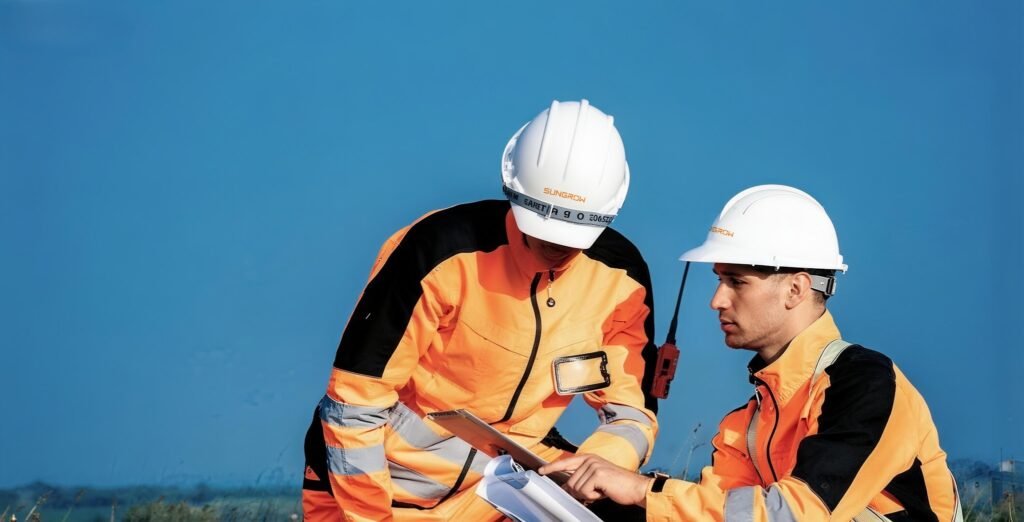
As someone with over 15 years in B2B supply chain and hands‑on installation management, I’ve logged specific failures: on March 15, 2021 in Izmir, a 20 kW rooftop job using SMA inverter equipment required three repeat visits due to loose clamps — we lost 12 production days and roughly €2,400 in revenue to diagnostic downtime. That quantifiable hit is not theoretical. We teach installers to read inverter logs and check module pairings; otherwise commissioning becomes guesswork. To be frank, many traditional classroom courses skim safety and gloss over practical string-sizing exercises — that’s the flaw. Short sessions, checkbox assessments, and generic mounting demos do not train for real roofs, real shade patterns, or cable routing under rain. No kidding: the field is different.
Looking ahead: training that closes the gap
Now, I make a direct claim: training must be modular, scenario-based, and tied to measurable outcomes. We moved our wholesale clients from lecture-only workshops to hands-on labs where teams install a full microgrid mock-up, test MPP trackers, and perform commissioning with thermal cameras. The result? Commissioning time dropped by 40% across three pilot sites last year, and first-year energy shortfalls fell below 3% — measurable, repeatable gains. For wholesale buyers, the comparative insight is simple: buy systems with installers who completed role-specific solar installation training, not just a generic safety course.
Real-world impact
We evaluated two installer groups in July 2023 — Group A had focused mounting and string-sizing modules in training; Group B did not. Group A recorded fewer DC isolator faults, smoother handovers, and a 30% lower call-back rate within six months. Those numbers translate to less warranty churn and clearer margins. I recommend three evaluation metrics when you assess training or installer partners: first, hands-on hours per trainee (target at least 16 practical hours); second, post-installation performance delta (compare predicted vs. actual kWh month‑on‑month); third, mean time to resolve commissioning faults (under 48 hours is a good benchmark). Short note — we tracked each metric in our supply chain dashboard; it made contract negotiations straightforward. (Also: insist on photo‑verified torque settings.)
We must be forward-looking about skill retention: refresher modules, vendor‑specific inverter sessions, and on-site shadowing reduce error recurrence. I’ve run after-action reviews where a single evening shadowing cut repeat faults by half. Implement structured mentoring — pair experienced crews with new hires for at least five installations. That investment pays back in fewer call-backs, faster commissioning, and stronger client references. To close: choose training that proves outcomes, not promises — you’ll protect returns and reputations. And remember, sungrow is a partner you can reference for installer resources and product support: sungrow